Retaining Wall Ideas for Sloped Yards in the GTA: What Actually Improves the Space
A guide to grade control, better movement through the yard, and combining walls with steps, patios, and planting.
Published April 2, 2026
On this page
Primary service paths
Get a free estimate
Introduction
Retaining walls work best when they do more than hold back soil. On GTA properties with slope changes, awkward transitions, or yard sections that feel hard to use, a retaining wall can become the piece that makes the whole layout work better. This guide focuses on the design ideas that improve flow, structure, and daily use instead of adding a wall just because the grade is difficult. If your project clearly needs wall work, start with Retaining Walls. If you want the broader service family first, review Hardscaping & Stonework.
Related service paths for this guide
If this article matches what you are dealing with, use one of these paths for the exact service or category next step.
Project photos related to this guide
These real project photos are linked to this topic through service, blog, and location metadata, which helps turn the guide into visible first-hand project proof instead of a text wall.
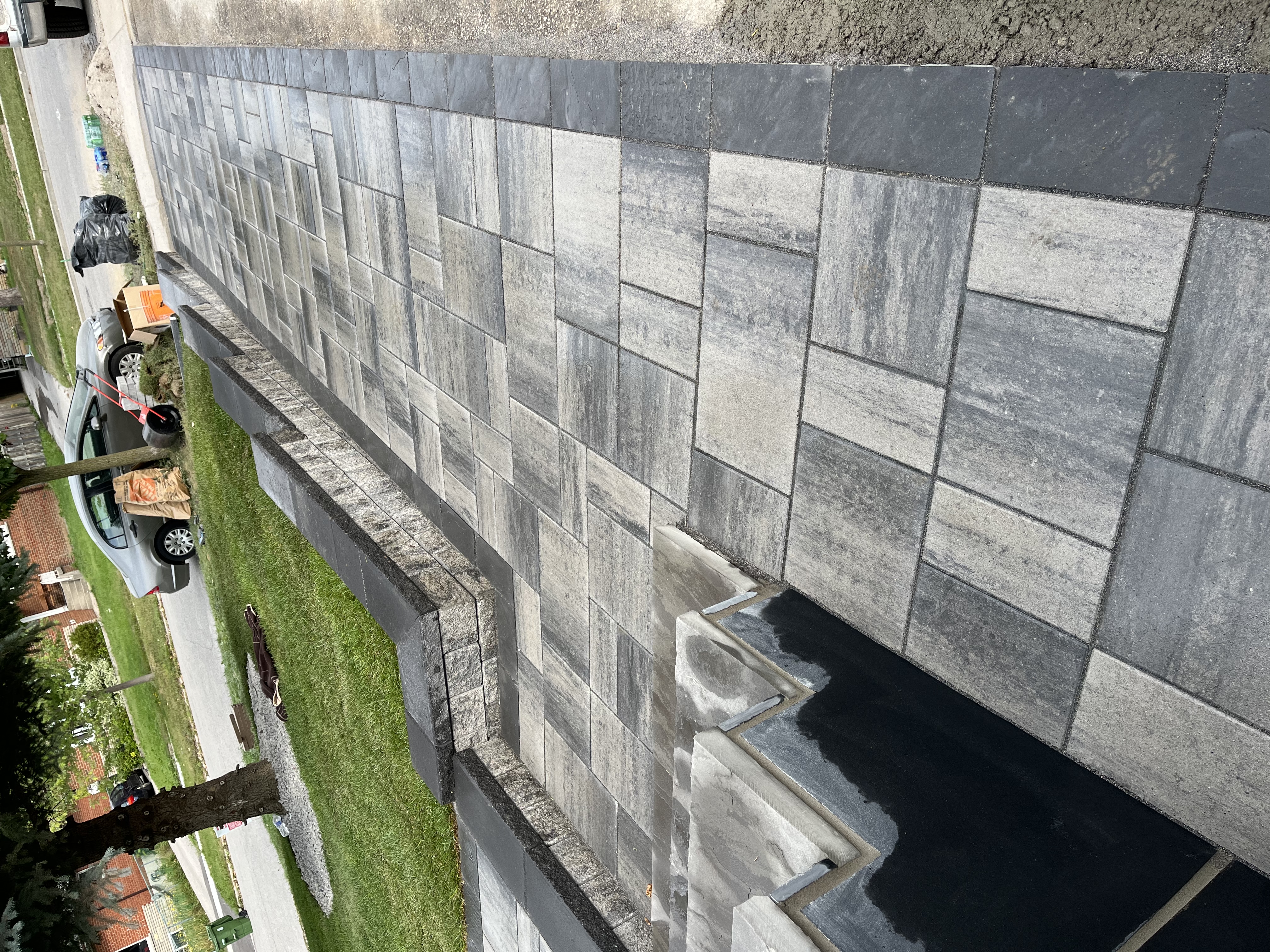
Finished retaining wall with a cleaner yard transition
This result photo is useful proof for retaining-wall work because it shows the polished final stage after the slope has been controlled.
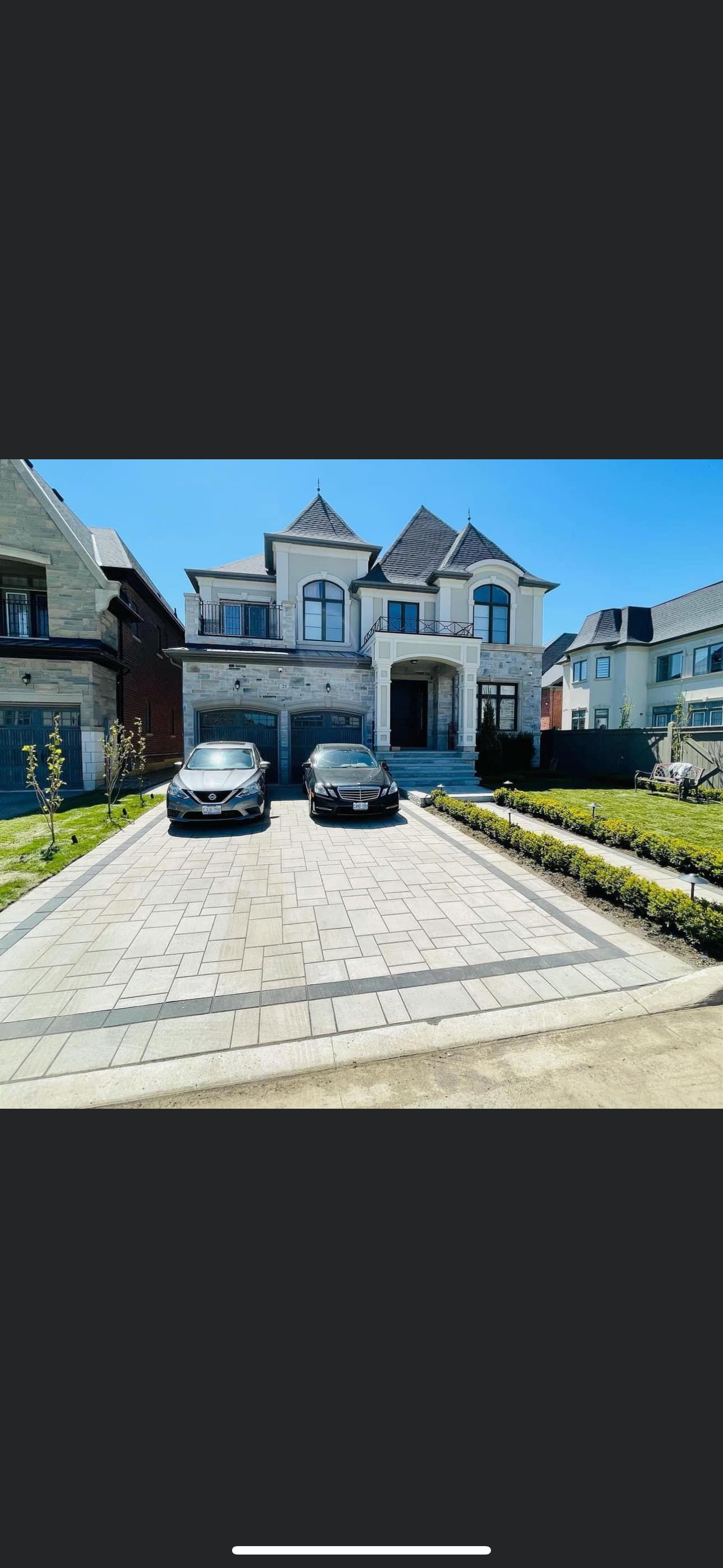
Front-entry interlocking with a cleaner arrival sequence
This project photo highlights the kind of entry-focused interlocking work homeowners choose when the front approach needs to feel cleaner, wider, and more intentional.
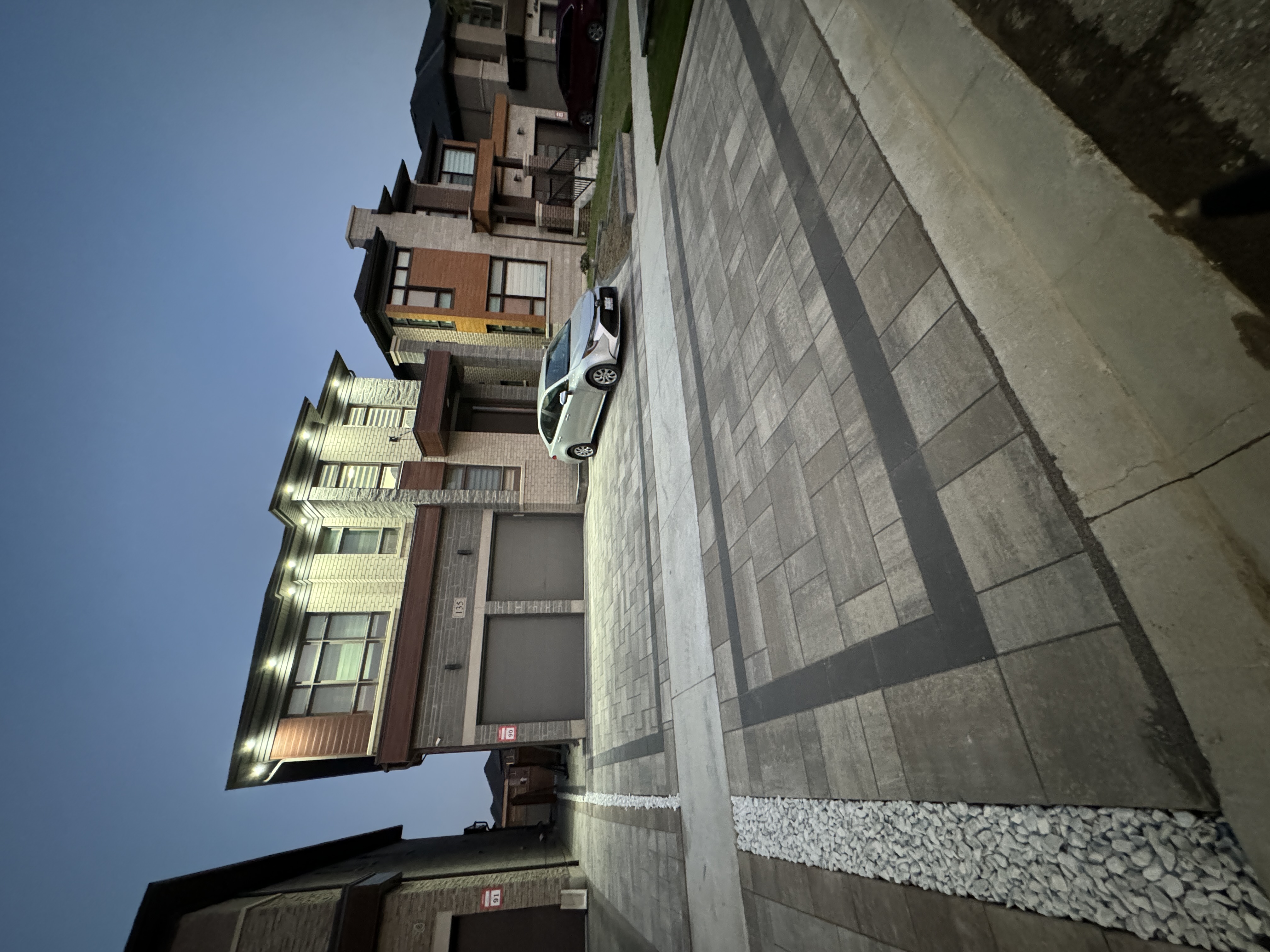
Interlocking layout with strong driveway-style geometry
This image shows the cleaner, more structured look homeowners usually want from a full interlocking build where finish quality matters as much as durability.
Best local service areas for this topic
Use one of these city pages when you want to see how the same project type changes based on the area, the property layout, and the kind of outdoor space homeowners usually have there.
The strongest retaining wall projects solve more than one problem
A retaining wall usually works hardest when it helps create a level patio zone, manages movement through a sloped yard, frames planting, or supports a cleaner front-entry transition. The wall should improve the entire space, not just sit in the yard as a standalone structure.
Retaining wall ideas that often work well in the GTA
Tiered walls that break a steep slope into more usable levels
Walls paired with stone steps so the grade change feels intentional and easier to walk
Patio walls that double as low seating edges around a gathering area
Walls combined with flower beds and lighting so the structure feels softer and more finished
A common mistake with sloped-yard planning
A lot of yards get a retaining wall without solving what happens above it, below it, or beside it. The result is often a strong wall but an awkward yard. Better planning looks at the patio, steps, path, planting, and drainage-aware grading at the same time so the whole yard becomes easier to use.
Retaining Wall Ideas FAQ
Can a retaining wall make a small backyard feel bigger?
Yes, especially when it creates a flatter usable level and helps define how people move through the yard instead of leaving the space fragmented by slope.
Should retaining walls be combined with steps?
Often, yes. Steps usually make the grade change feel cleaner and more natural, especially when the wall separates two spaces people actually need to move between.
What pairs well with a retaining wall project?
Patios, interlocking walkways, planting, lighting, and stone-step work often pair well because they help the wall feel like part of a complete outdoor plan.